Australian Energy Week 2026 brought over 1,300 industry professionals together to confront a hard truth: Australia cannot build its way out of the energy transition fast enough. Electricity demand is forecast to nearly double by 2050, yet transmission projects continue to face planning delays, cost blowouts and community opposition. Against that backdrop, one theme cut through clearly - alongside new build, the industry needs to unlock more capacity from the networks and assets it already has.
“Sweating existing assets” was identified as one of the defining themes of the conference. It reflects a shift in mindset: rather than treating augmentation as the default answer to growing demand, organisations are being asked how they can extract more value from existing infrastructure through better planning, better data and greater optionality.
The industry context
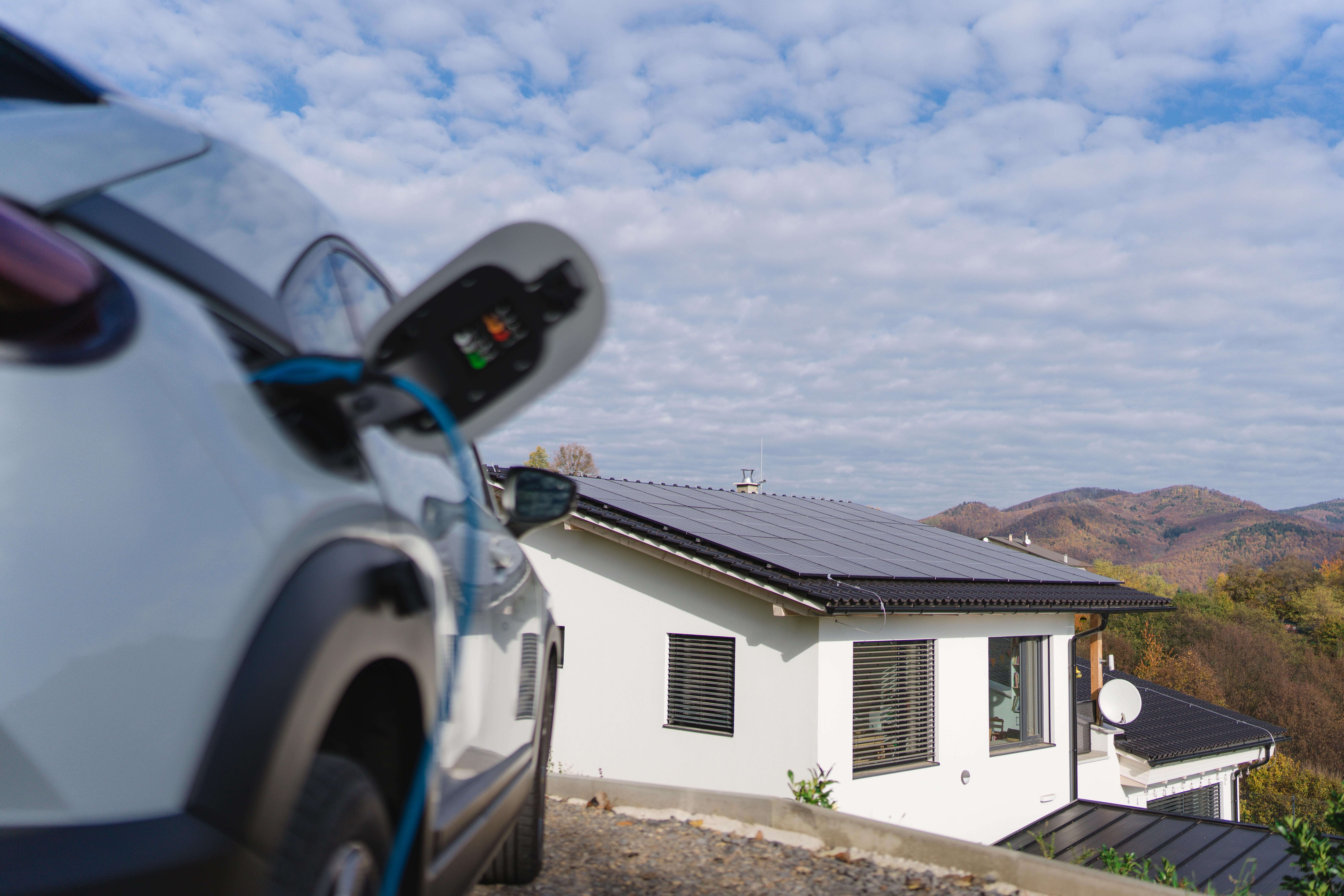
For decades, network planning in Australia has largely been built around conservative, worst-case assumptions about how much capacity a feeder, transformer or substation needs to carry. Those assumptions made sense when the grid was simpler and demand was predictable. They make far less sense today, when rooftop solar, batteries, electric vehicles and flexible loads are reshaping demand and generation profiles at the edge of the network, often in ways that differ significantly from historical averages.
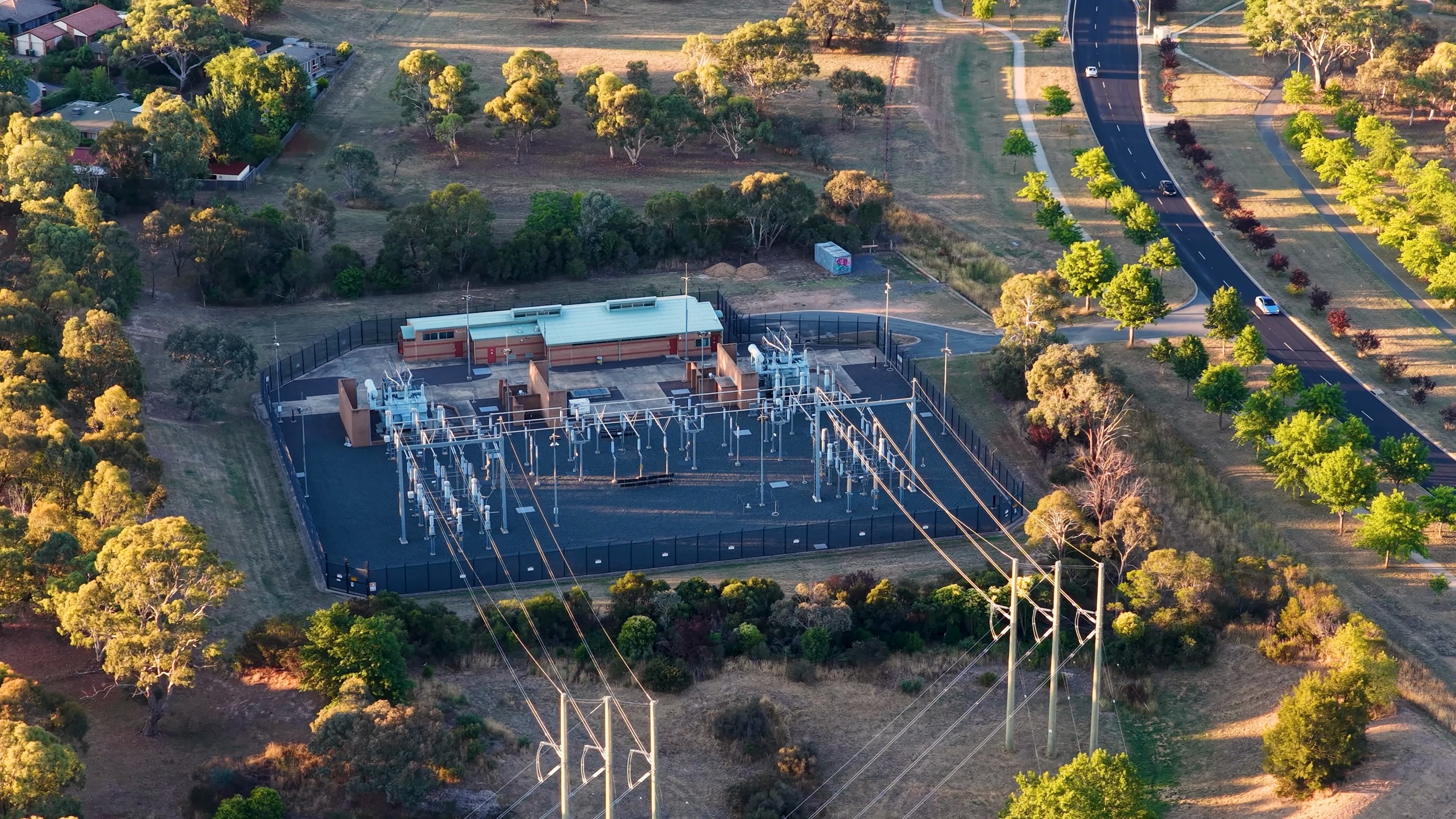
The result, as delegates at Australian Energy Week 2026 discussed, is that a meaningful amount of existing network capacity may be sitting underutilised simply because planners lack the visibility to prove it is safe to use. With delivery risk now front and centre for 2030 targets, and transmission acting as a genuine choke point, the fastest available capacity is often the capacity that already exists - if it can be found, verified and unlocked.
Why it matters
For network operators, this is a capital efficiency question as much as an engineering one. Every megawatt of capacity that can be released from the existing network through better data is a megawatt that does not need to be funded, approved and built from scratch. That is particularly important at a time when capital is under pressure from higher interest rates and rising connection costs.
For retailers and energy service providers, the same principle applies at the customer level. Understanding actual behind-the-meter behaviour - how much solar a household is exporting, when appliances are drawing peak load, how an EV is charging - makes it possible to design tariffs, connection offers and network support agreements that reflect real conditions rather than conservative defaults. And for infrastructure owners and consultants advising on augmentation decisions, granular data is increasingly the difference between recommending a multi-year build and recommending a lower-cost operational fix.
The Powersensor perspective
This is precisely the gap Powersensor's data platform is built to close. Powersensor provides real-time, behind-the-meter energy data - down to the level of individual appliances, solar generation and EV charging - at intervals as granular as real-time, five-minute or thirty-minute resolution. That level of detail gives network operators, retailers and infrastructure owners visibility into how the network is actually being used, rather than relying on modelled assumptions.
Because Powersensor's data can be aggregated and analysed across custom cohorts, planning teams can identify where local capacity is being under-used, where hosting capacity for solar or EVs might safely be increased, and where targeted intervention - rather than a full augmentation - would resolve an emerging constraint. An open API makes it straightforward to feed this data into existing planning, VPP, CRM or smart home systems, so it becomes part of day-to-day decision-making rather than a one-off study.
In an environment where every dollar of capital and every month of delivery time is under scrutiny, this kind of visibility turns “sweating existing assets” from a slogan into a practical, data-backed strategy.
In summary
As Australia's energy system grows more complex, the organisations that get the most out of what they already have will be better placed to meet 2030 targets without the delivery risk of building everything new. Better data is fast becoming the cheapest, quickest form of new capacity available.