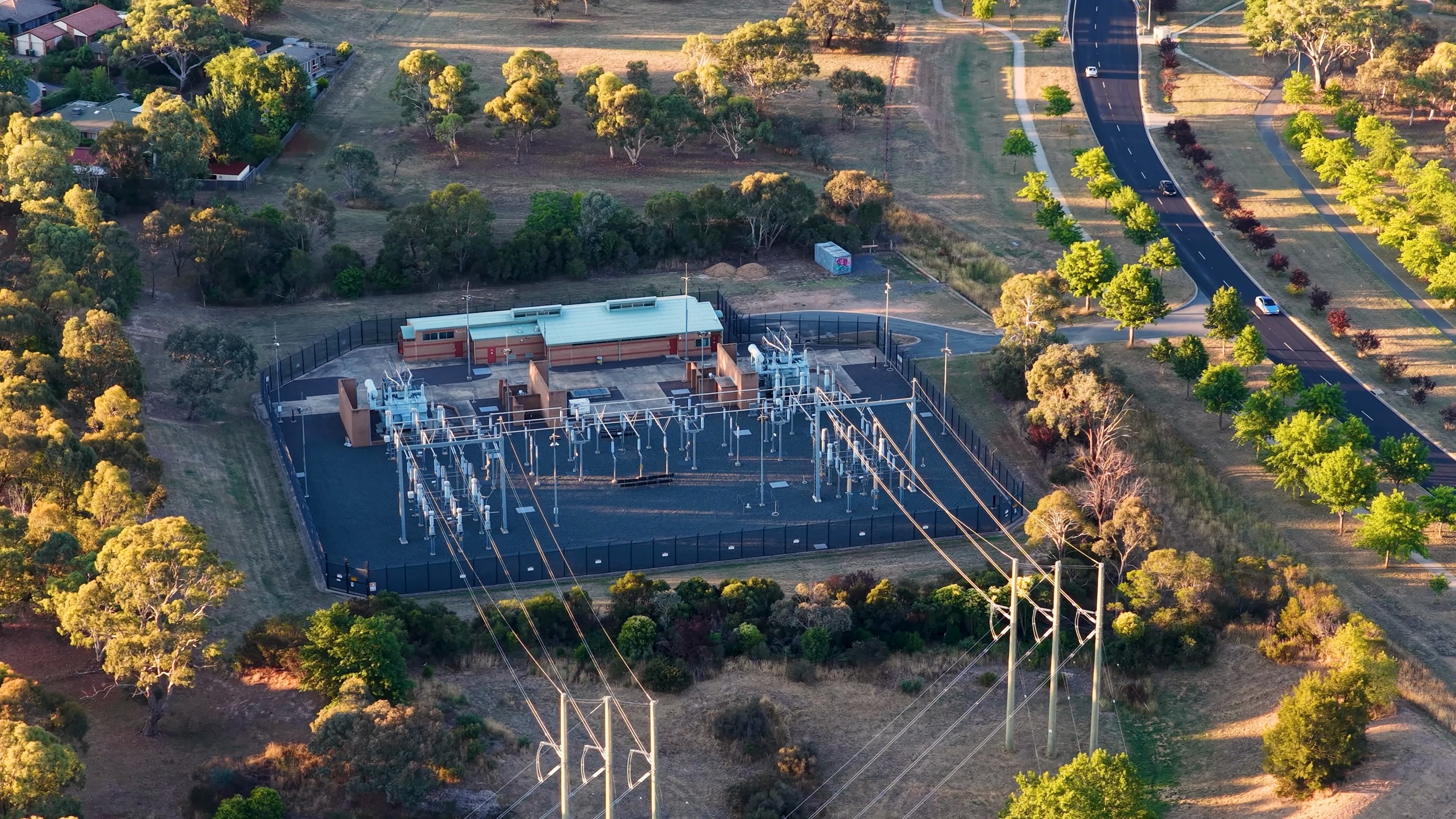
Australian Energy Week 2026 highlighted an industry-wide reckoning with the rules, prices and incentives that govern Australia's energy system. As the grid becomes more decentralised and dynamic, delegates discussed how market design and regulation are being re-examined to better value location, timing and system services - all while protecting consumers who are navigating an increasingly complex energy landscape.
This theme sat alongside a related one: that customers and communities matter more than ever. Success in this next phase depends on simpler customer experiences and stronger social licence, even as pricing and market structures grow more sophisticated.
The industry context
Much of Australia's energy market and network pricing was designed around a simpler grid, where demand flowed predominantly one way and location and timing mattered less to overall system cost. That is no longer the case. Where and when energy is produced, consumed or exported now has a material impact on network stress, wholesale prices and the need for new infrastructure. That is why market bodies and regulators are re-examining how tariffs, incentives and connection charges reflect these dynamics.
At the same time, principles such as “growth pays for growth” were discussed as a way of ensuring large new users fund the capacity they require, while flexible households and small businesses are increasingly asked to participate in more sophisticated, cost-reflective pricing structures. Getting this right requires far more granular and timely data than traditional billing-cycle metering can provide.
Why it matters
For retailers, this shift means designing tariffs and incentive structures that are genuinely cost-reflective by location and time of use, without creating bill shock or confusion for customers. For network operators, it means being able to demonstrate, with evidence, where and when network constraints actually occur. That allows pricing and investment signals to be targeted, rather than applied broadly. For regulators and market participants, better data supports the case for reform, and gives confidence that new pricing structures are fair to consumers as well as efficient for the system.
Consumer protection is central to all of this. As the conference noted, complexity is rising, and organisations that cannot explain new pricing signals simply and transparently risk eroding the social licence needed to deliver reform and infrastructure at speed.
The Powersensor perspective
Powersensor's real-time, behind-the-meter data platform gives retailers, network operators and market participants the granular evidence base that market and regulatory reform increasingly demands. Because Powersensor captures usage, solar generation and export at a household or business level - at real-time, five-minute or thirty-minute resolution - it becomes possible to model and validate tariffs that genuinely reflect location and time of use, rather than relying on broad averages.
This same data supports consumer protection. Powersensor's tariff modelling capability is built on a customer's actual usage, helping retailers design and communicate pricing that is personalised and easy to understand, rather than abstract. The free consumer-facing app gives customers direct visibility of their own usage and costs, supporting the transparency and trust that regulators and communities are asking for. For organisations that need to share data securely with market participants, an open API with enterprise-grade OAuth 2.0 support allows this information to flow into existing systems in a controlled, auditable way.
By connecting granular, real-time data to pricing and regulatory design, Powersensor helps organisations meet the twin demands of this moment: pricing that reflects the true cost and value of energy, and a customer experience that remains simple, fair and trustworthy.
In summary
As Australia's market rules and pricing structures evolve to reflect a more complex grid, the organisations that can pair reform with accurate, transparent data will be best placed to build the social licence needed to deliver it.