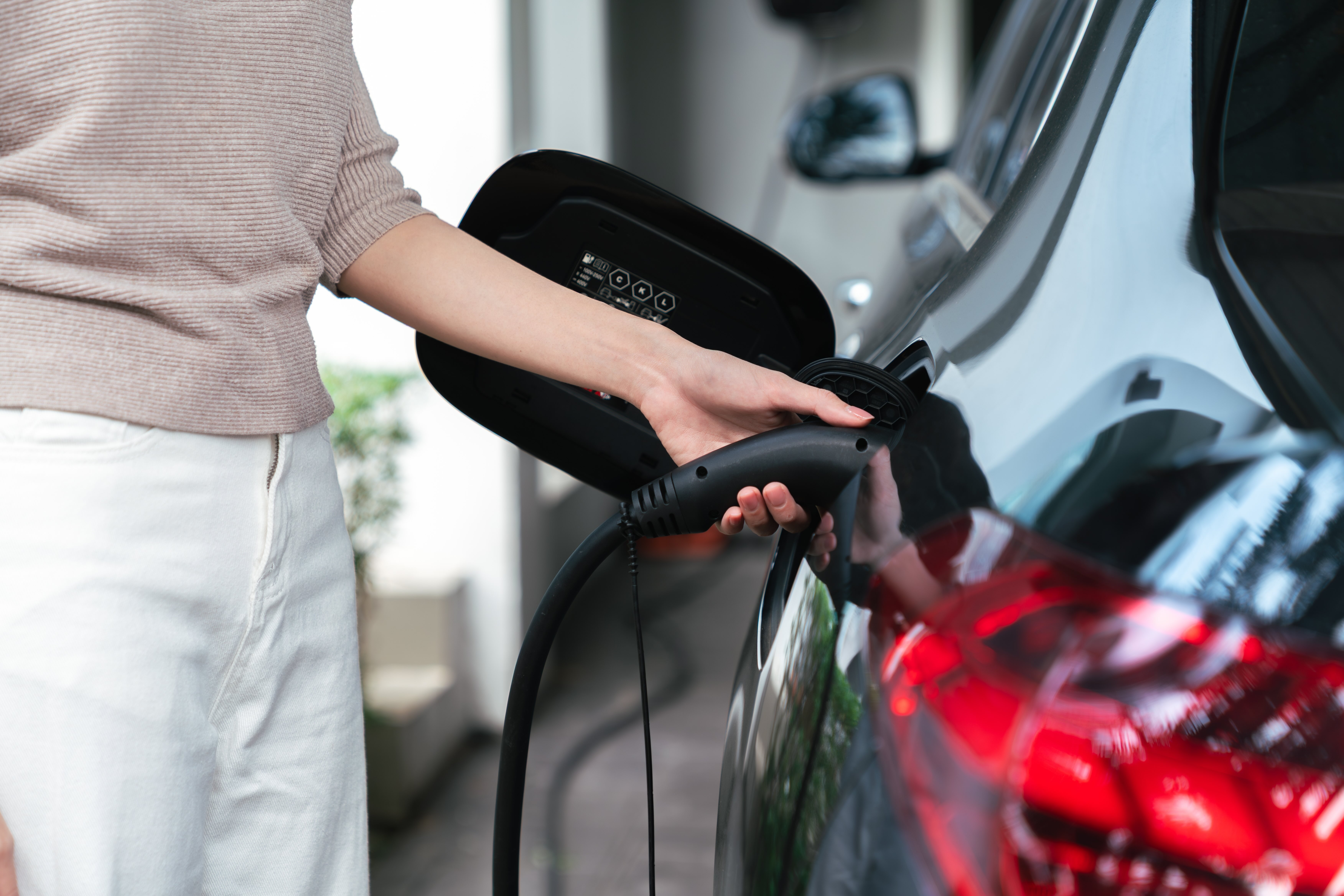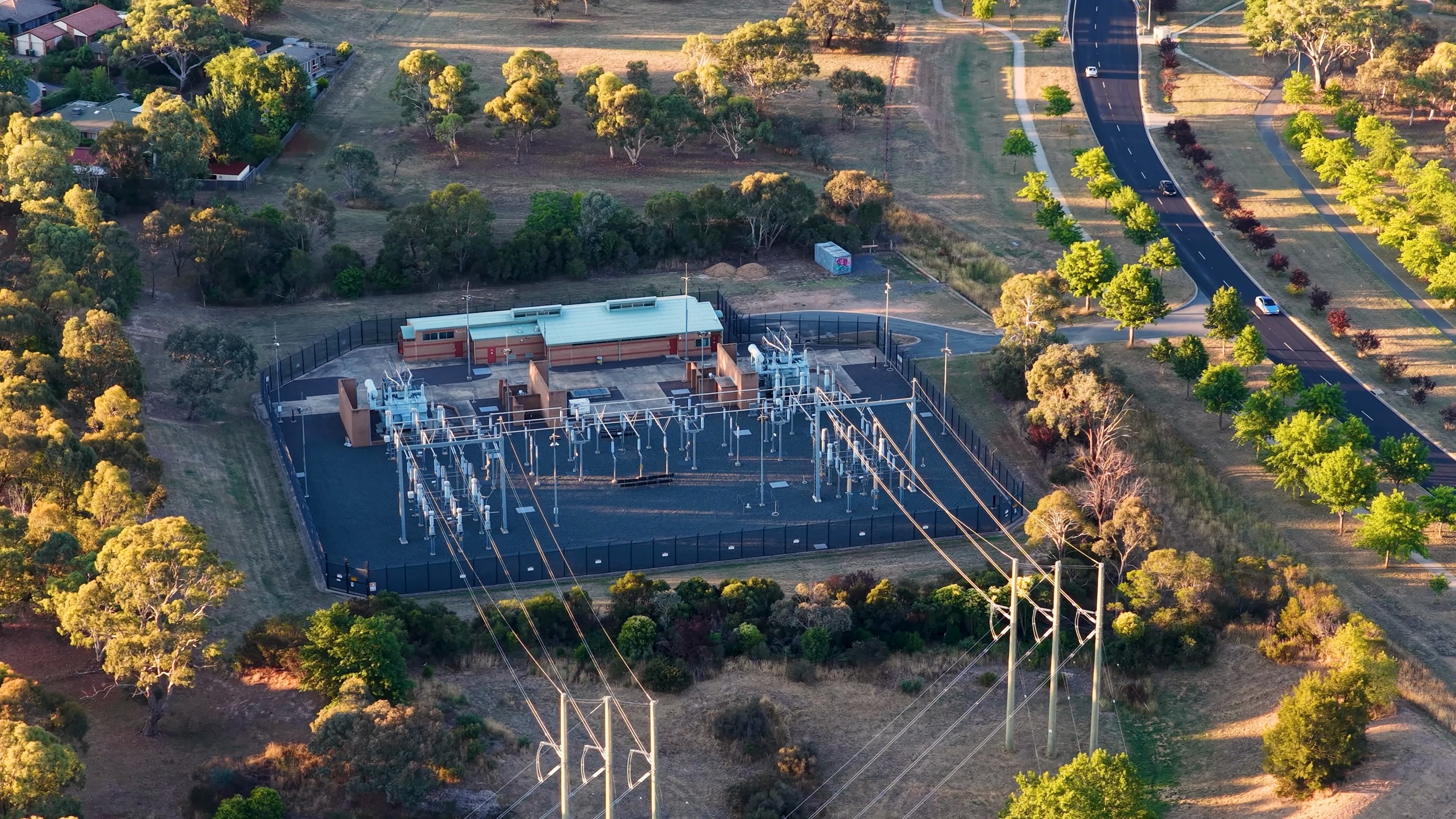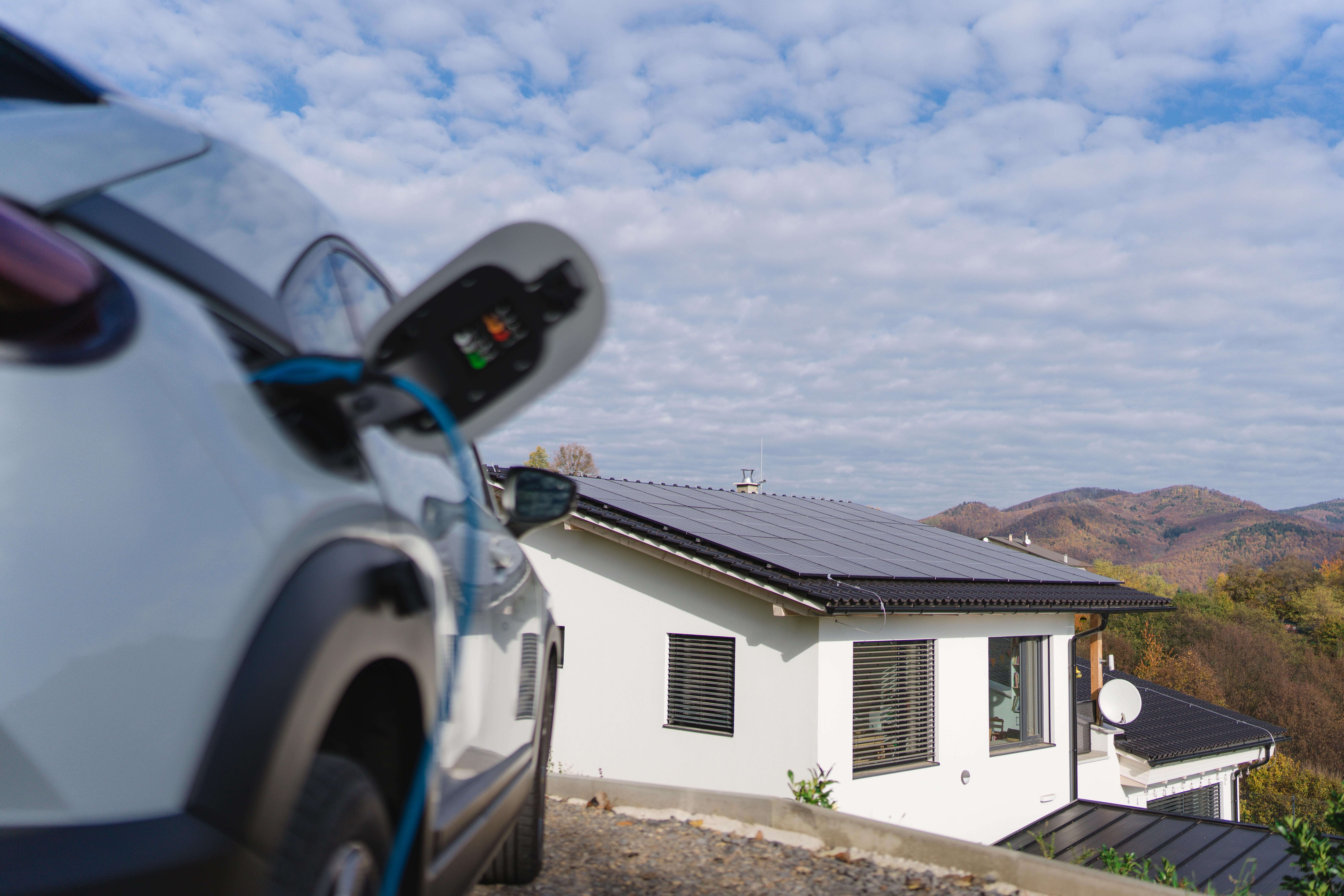
One of the clearest messages to emerge from Australian Energy Week 2026 was a change in how the industry thinks about demand itself. Rather than treating rooftop solar, batteries, electric vehicles and flexible household or business loads as problems to be managed around, the conversation has shifted towards treating them as genuine system resources - assets that can be orchestrated to reduce reliance on overbuilding generation and network infrastructure.
This theme, described at the event as “flexibility over brute force”, sits alongside the recognition that batteries - at both grid-scale and household level - are now central to reliability and price outcomes. Together, these shifts point to a system that is increasingly managed through coordination and responsiveness, not just through adding more poles, wires and generation capacity.
The industry context
Australia now has one of the highest rates of rooftop solar and residential battery uptake in the world, and electric vehicle adoption is accelerating. Left unmanaged, this distributed energy resource (DER) growth can create new problems - voltage issues, minimum demand challenges, and unpredictable peaks. Managed well, the same resources become a source of flexibility that can be called on to reduce strain on the grid at the times that matters most.
The challenge discussed at Australian Energy Week 2026 is that flexibility only works as a system resource if it can be seen, measured and trusted. Demand response programs, dynamic tariffs and virtual power plants all depend on knowing what a household or business is actually doing behind the meter, in close to real time - not on estimates or historical averages.
Why it matters
For network operators, flexible demand offers a genuine alternative to costly augmentation - shifting or shaving load at a local level can defer or avoid the need to upgrade a constrained part of the network. For energy retailers, flexibility is the foundation of new products: time-of-use and cost-reflective tariffs, demand response programs, and virtual power plant offers that reward customers for shifting usage rather than penalising them for peak-time consumption.
For infrastructure owners and energy service companies, this represents a shift in value proposition - from selling and maintaining hardware to enabling and proving the performance of flexibility programs. But none of this is possible without accurate, appliance-level and DER-level data. Regulators and market bodies cannot fairly value flexibility services, and customers cannot be fairly rewarded for providing them, if the underlying usage data is incomplete or unreliable.
The Powersensor perspective
Powersensor's platform was built for exactly this kind of orchestration. Its self-install, retrofittable sensors give a unified, granular view of solar, EV charging and individual appliance usage, updating as frequently as every 30 seconds and available to retailers and network operators through real-time, five-minute or thirty-minute data feeds. This means flexibility is not just assumed, it is measured - down to which specific appliance or device is contributing to a demand response event.
Powersensor's open API and enterprise-grade OAuth 2.0 access make it straightforward to connect this data into existing VPP, CRM or smart home platforms, allowing retailers and aggregators to build and verify flexibility programs on top of trustworthy behind-the-meter data rather than estimates. Tariff modelling based on a customer's actual usage patterns also helps organisations design pricing and incentive structures that genuinely reflect - and reward - flexible behaviour.
By making flexible demand visible and verifiable, Powersensor helps turn DER from a source of network uncertainty into a resource that retailers, network operators and aggregators can plan around with confidence.
In summary
As Australia's system continues to add distributed energy resources at pace, the organisations that can see, measure and orchestrate flexibility will be better positioned to manage growth without overbuilding. Flexibility is only a system resource if it can be trusted - and that starts with good data.